

Moving to Asia with family: dependents on the visa, schools and the real cost
Bringing a spouse and kids changes everything, from the visa to the school. Who can enter as a dependent, what an international school costs and the best bases for families.
Moving to Asia alone is a decision. Moving with family is a project, and one of the most beautiful there is. Picture the kids growing up bilingual, having breakfast with tropical fruit, going to an international school that costs a fraction of what it would back home, with weekends at temples, beaches and mountains. It isn’t fantasy: thousands of families already live exactly this across Thailand, Malaysia, Bali and Vietnam. But making the jump with children means answering three questions the solo traveler never even considers: who goes on the visa, where they’ll study, and how much it all really costs.
This guide is the map of that family crossing.
Who can go as a dependent
The good news: almost every long-stay visa in Asia was designed to bring the family along. The general rule is that spouse and children enter as dependents: but the details matter:
- DTV (Thailand): allows dependents, typically spouse and children (under a certain age). It’s one of the reasons the DTV became the family favorite.
- DE Rantau (Malaysia): the Malaysian nomad visa accepts dependents, which adds to the omnipresent English and the excellent schools.
- MM2H (Malaysia): the “second home” visa is openly family-oriented, built to settle down with your own.
Need to understand which visa fits your family arrangement? The quiz already cross-checks that against your profile.
The school: the heart of the decision
For a family, the question “where will the kids study?” weighs more than any other. And here Asia surprises, for the better, and with options for every budget:
| Path | Approx. cost (year) | For whom |
|---|---|---|
| International school (top) | US$ 12,000 to 25,000+ | British/American/IB curriculum, first-world facilities |
| International school (mid-tier) | US$ 4,000 to 10,000 | Great English-language teaching at a fraction of Western prices |
| Alternative / bilingual school | US$ 3,000 to 8,000 | Active pedagogies (common in Bali and Chiang Mai) |
| Homeschool / online learning | variable | Flexible, for families on the move |
The game-changer: in Malaysia and Thailand, a high-end international school, taught entirely in English with a global curriculum, costs far less than an elite private school back home. Many families run the numbers and realize their kids’ education improves at the same time as it gets cheaper.
The best bases for families
Not every city that’s great for the solo nomad is great for the kids. The most praised family bases:
- Kuala Lumpur and Penang (Malaysia): English for everything, excellent and cheap international schools, first-world healthcare, condos with pools and security. Perhaps the best family value in Asia. See the Malaysia guide.
- Chiang Mai (Thailand): a huge community of nomad families, international and alternative schools, low cost, nature and safety. See the Chiang Mai guide.
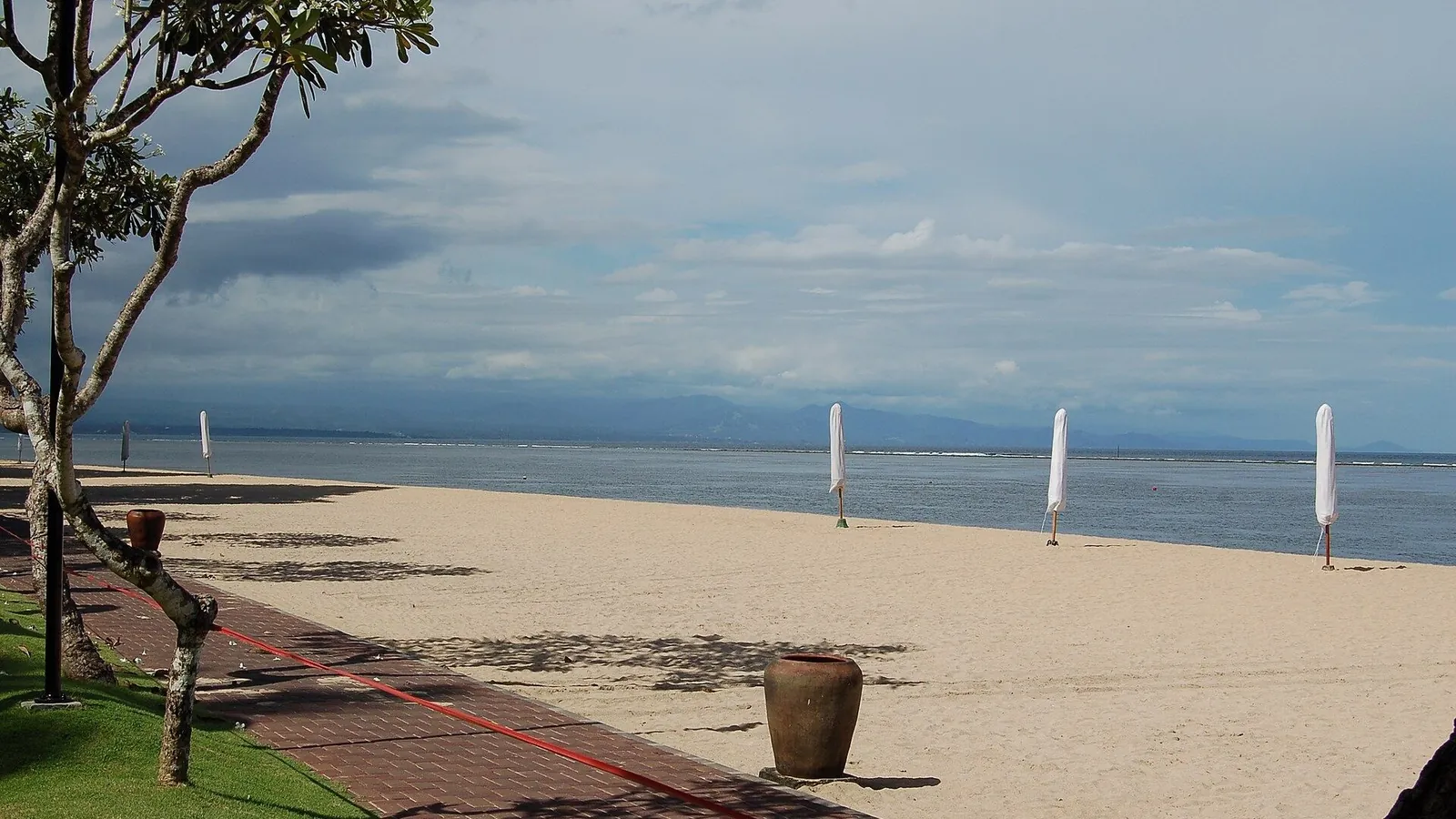
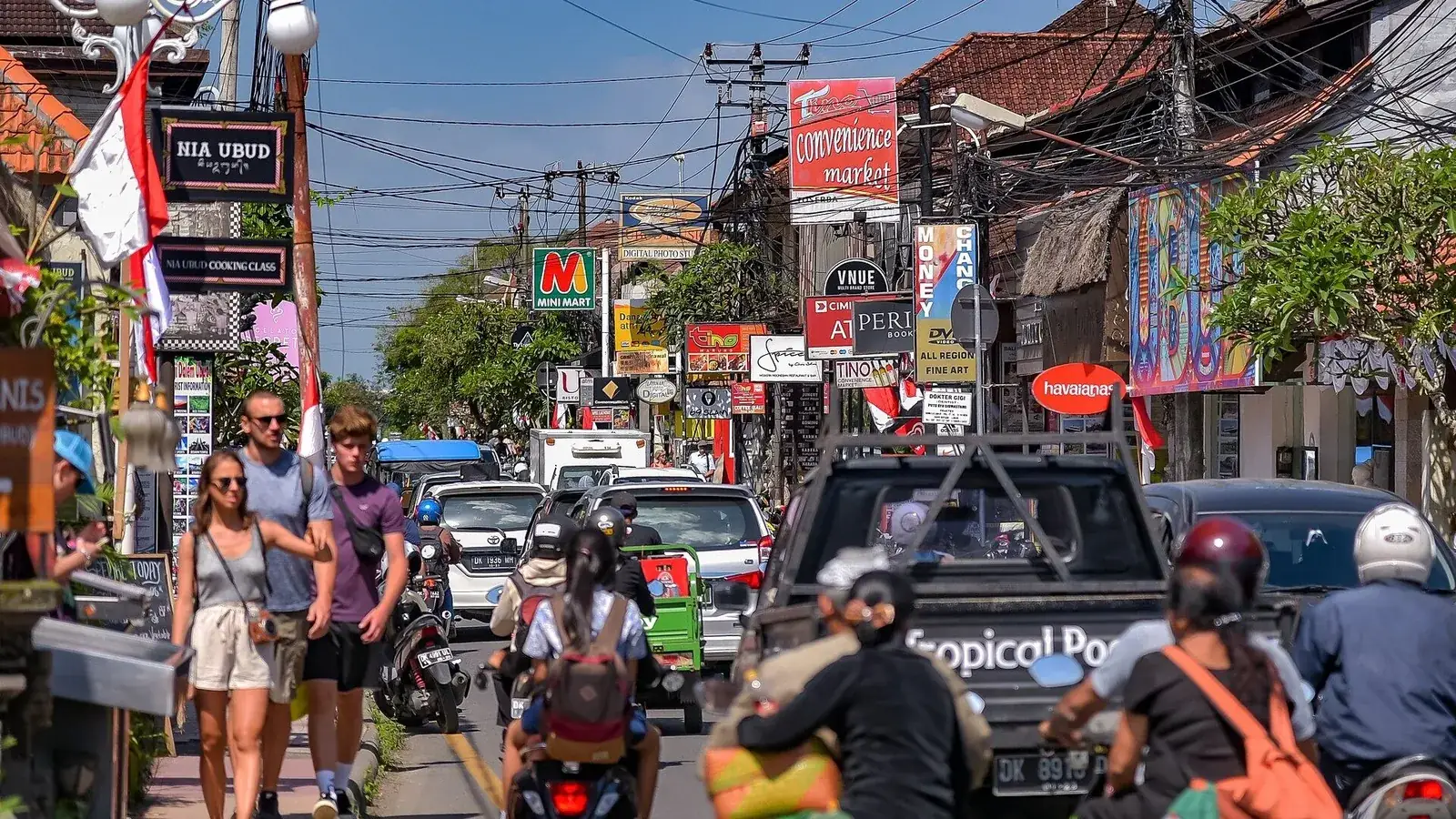
- Bali, Sanur and Ubud (Indonesia): Sanur is family Bali (calm beach, schools), Ubud draws the more alternative crowd. See the Bali guide.
- Da Nang (Vietnam): a clean, organized beach, low cost and a growing international scene. See the Da Nang guide.
Family health and the rest of the practical stuff
A few points only parents think about:
- Health: the big cities of Thailand, Malaysia and Singapore have international-standard pediatric hospitals, at prices far below Western ones. Family health insurance is non-negotiable, understand how it works in the health guide.
- Vaccines: get the record up to date before you go, and consult a travel doctor about regional vaccines.
- Kids’ adjustment: it’s usually faster than the adults’; the international school hands over a ready-made circle of friends, from dozens of nationalities.
- The family network: missing the grandparents is real; schedule video calls respecting the time zone and plan the visits.
The real cost, adding it all up
A family adds the monthly cost of living (bigger housing, more food) to two weights the solo person doesn’t have: the school (the biggest) and a larger emergency cushion: because, with kids, the safety margin needs to be generous. It’s worth rereading the real cost of the move guide, thinking of multiplying the cushion by the family size.
Even so, the math usually works out surprisingly well: in many bases, a family lives comfortably, with the kids in international school, for less than they’d spend in a big city back home on private school and security.
The takeaway
Bringing the family to Asia is entirely doable, and transformative. Sort it in order: visa (who enters as a dependent), school (visit in person, the value is impressive) and base (Malaysia and Chiang Mai lead for families). Add the school and a robust cushion to the budget, and you trade the tight routine back home for a childhood few kids are lucky enough to live.
Before anything, settle the right destination for your family in the quiz. And be sure to see how healthcare in Asia works and, if you have a pet, how to bring the pet.
Essential tools for the move
This page contains affiliate links: you pay nothing extra and you help keep Rota Ásia running.
- InsuranceSafetyWingHealth insurance for nomads, covers you across several countries at once.See insurance ↗
- eSIM / dataAiraloA digital eSIM so you have internet the moment the plane lands.Get an eSIM ↗
- ToursGetYourGuideTours, day trips and experiences at your destination.See tours ↗
- MoneyWiseMulti-currency account and fair exchange to get paid from abroad and spend at your destination.Discover Wise ↗
- StaysAgodaAsia’s giant for accommodation, usually the best prices in the region.See on Agoda ↗
- StaysBooking.comBook your first days before locking in a monthly rental on the ground.Find a place to stay ↗
From doubt to a plan in 2 minutes
Take the quiz and get a plan with your city, visa route, cost and taxes, straight to your inbox.
Start now →