
Loneliness and community in Asia: the emotional side no one tells you about
After the euphoria comes the drop. The loneliness of moving is real and normal, and it has an antidote. How to build a social life from scratch and why it becomes the best part.
Guides usually talk about visas, taxes and cost, numbers. This one talks about the part the numbers hide, and that in practice decides whether your move works: how you’re going to feel. Because there’s an emotional curve almost everyone lives and almost no one warns you about. The first weeks in Asia are pure euphoria, everything is new, beautiful, cheap, an adventure. And then, a few weeks later, on some random Sunday, it hits: you’re on the other side of the world, the time zone separates you from everyone you love, your friends back home have their lives, and you realize you don’t know anyone. This has a name, it’s normal, and, most importantly, it has an antidote. Let’s talk about it frankly.
The curve no one warns you about
The emotional script of a move usually has three acts:
- The honeymoon: the opening weeks of wonder, adrenaline, photos, “I can’t believe I live here”.
- The drop: once the novelty fades, homesickness appears, along with adjustment fatigue and loneliness. It’s the hardest phase, and the one that makes people give up and go home too soon.
- The building: when you start to create a routine, familiar faces and friendships, and Asia stops being “a trip” and becomes home.
Why loneliness hits (and why it isn’t your fault)
Understanding the mechanics helps you not take it personally:
- You arrived without a network. Back home, your social life took years to build; here it starts from zero. It’s math, not failure.
- The time zone separates. With Asia 10 to 12h ahead, talking to family means scheduling; the spontaneous everyday conversation disappears.
- The community is transient. In the nomad world, you make an amazing friend and, three months later, they move to another country. The goodbyes are frequent, and tiring.
None of this is a flaw of yours. It’s the nature of international life. And, like almost everything, it’s solved with method.
The antidote: build community on purpose
Friendship in the nomad life doesn’t fall from the sky, you build it actively. The good news is that everyone around you is in the same boat and equally open to meeting people. The paths that work:
- Coworkings: perhaps the number-one shortcut. You sit near the same people every day and friendships form naturally. Worth the cost for the social life alone.
- Nomad and expat meetups: Facebook groups, Meetup, InterNations and community apps organize happy hours, dinners and events in every base. Showing up is half the work.
- Sport and gym: training Muay Thai in Thailand, surfing in Canggu or Da Nang, joining a gym: the body moves and the social circle grows with it.
- Classes: language, cooking, diving. A shared interest is the most fertile soil for friendship.
- Cafés with “regulars”: become a familiar face somewhere. The third time you show up, you already have someone to trade a few words with.
- Your home community: there are compatriots in every base, with active groups. A piece of home that speeds up adjustment a lot.
The easiest bases to make friends
If social life worries you, it can even weigh on the choice of destination. Some cities have a community so ready that loneliness is short-lived:
- Chiang Mai (Thailand): perhaps the strongest nomad community in the world; alone for only a short while. See the Chiang Mai guide.
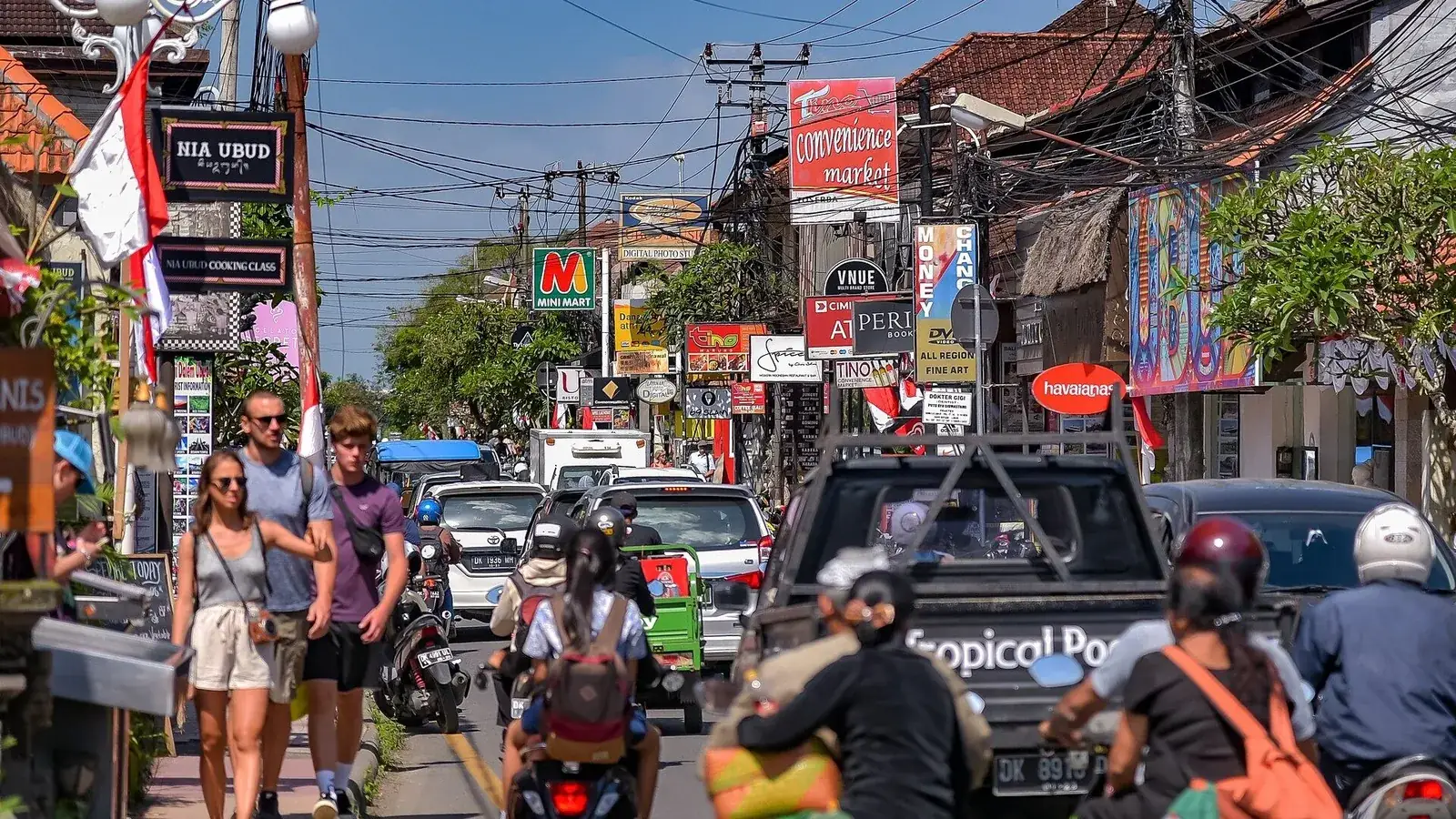
- Bali, Canggu and Ubud (Indonesia): an intense social life, famous coworkings, events every day. See the Bali guide.
- Da Nang (Vietnam): a growing, welcoming international scene, by the sea. See the Da Nang guide.
- Bangkok (Thailand): a metropolis with people from all over and groups for every interest. See the Bangkok guide.
Looking after your head is part of the plan
Worth saying plainly: feeling lonely for a while is healthy and passing, but if the sadness persists, seeking help is a sign of strength, not weakness. In the big bases there are therapists who work in English, and options online in your own language, you can keep your home therapist by video, respecting the time zone. Mental health is health; treat it as such (see also the health guide).
And keep the ties to home alive with ritual: a fixed call with family at a time that works for both zones, and visits planned across the year. Knowing that in three months you’ll see your people changes everything.
The takeaway
The loneliness of a move is real, is normal and is temporary: the secret is to expect it, recognize it and not confuse phase 2 with a wrong decision. The antidote isn’t luck: it’s showing up: at coworkings, workouts, classes and meetups, until the faces become friends. Pick a base with a strong community, look after your head, keep the ties to home by ritual, and what started as the hardest chapter becomes, almost always, the best part of living in Asia: a chosen family, of people from all over the world, on the other side of the planet.
Ready to start that story? Find your destination in the quiz, and, if you’re going with people you love, see the family and kids guide.
Essential tools for the move
This page contains affiliate links: you pay nothing extra and you help keep Rota Ásia running.
- InsuranceSafetyWingHealth insurance for nomads, covers you across several countries at once.See insurance ↗
- eSIM / dataAiraloA digital eSIM so you have internet the moment the plane lands.Get an eSIM ↗
- ToursGetYourGuideTours, day trips and experiences at your destination.See tours ↗
- MoneyWiseMulti-currency account and fair exchange to get paid from abroad and spend at your destination.Discover Wise ↗
- StaysAgodaAsia’s giant for accommodation, usually the best prices in the region.See on Agoda ↗
- StaysBooking.comBook your first days before locking in a monthly rental on the ground.Find a place to stay ↗
From doubt to a plan in 2 minutes
Take the quiz and get a plan with your city, visa route, cost and taxes, straight to your inbox.
Start now →