

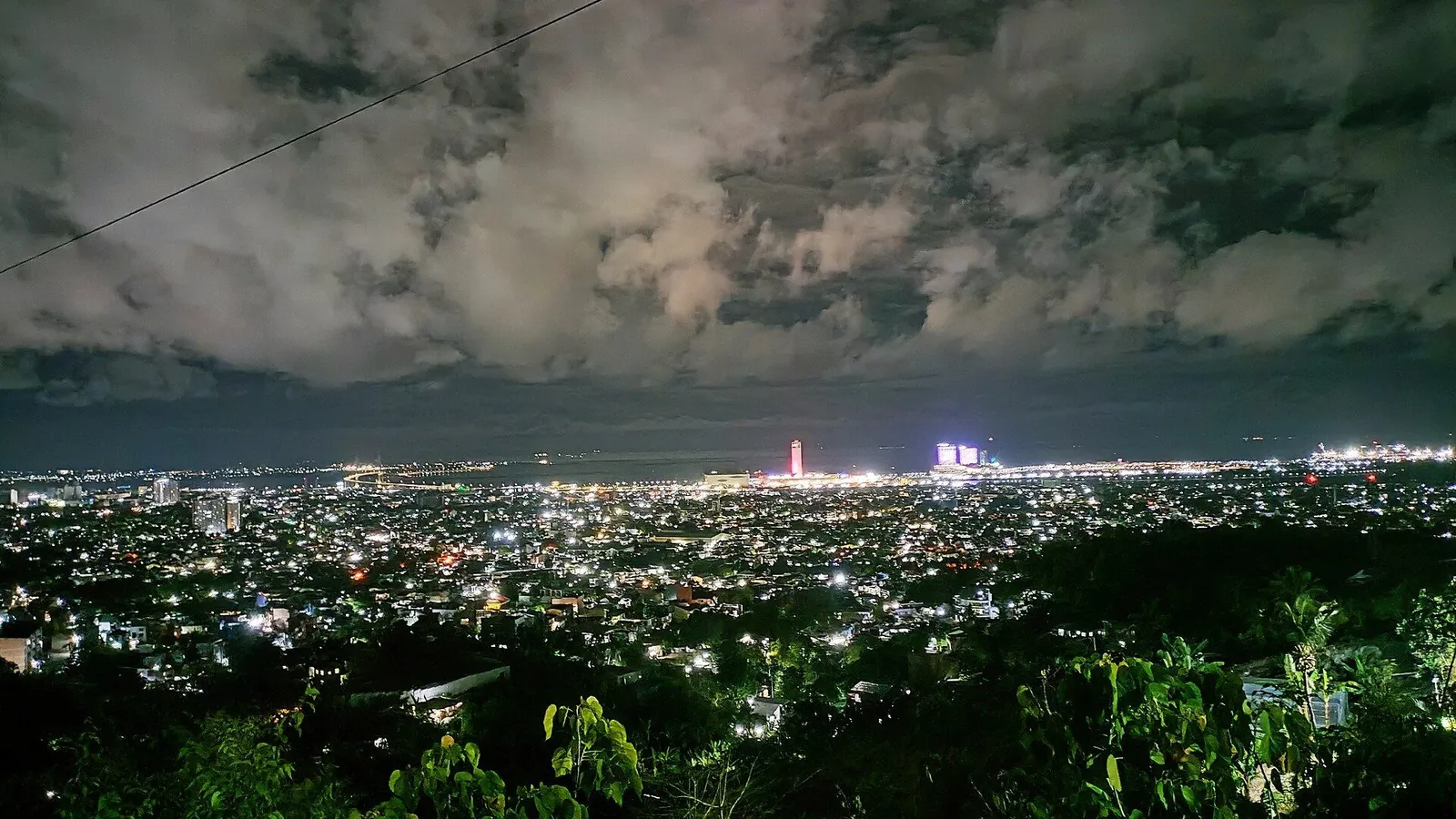
Living in the Philippines: visas, cost of living and islands (2026)
The complete guide: why English is the biggest advantage, how to stay legally for years on extensions, what it costs to live in Cebu, the islands and what no one tells you about taxes.
You land in Cebu, get in a taxi and the driver asks, in fluent English, where you’re from. At the hostel, the receptionist jokes about football. At the café, the menu, the wi-fi and the conversation, all in English. In the Philippines, the barrier that trips so many people up in Asia simply doesn’t exist: it’s the most English-speaking country on the continent, and that changes everything.
Add postcard beaches, one of the lowest costs of living in the region, genuinely warm people and the fact that income you earn from abroad isn’t taxed here: and you see why the Philippines became a base for so many remote workers.
More than 7,000 islands, but for people who move almost everything revolves around three names: Cebu (the practical base), Siargao (the surf paradise) and Manila (the megacity).
Why the Philippines
- English everywhere: an official second language, spoken naturally. The biggest practical advantage.
- Very low cost: among the friendliest in Asia, especially outside Manila.
- Breathtaking islands: world-class beaches, diving and surf in your backyard.
- Foreign income not taxed: what you earn abroad generally pays no local tax.
- Welcoming people: Filipino hospitality is legendary; making friends is easy.
The Philippines’ visas
The Philippines doesn’t yet have a nomad visa in force (one is being rolled out), but the tourist-extension system is so generous it works as de facto residence:
| Route | For whom | Duration | How it works |
|---|---|---|---|
| Tourist exemption | Many nationalities, on arrival | 59 days | Enter without a visa, with a valid passport |
| Tourist extensions | Staying legally and long | up to ~36 months | Extend your stay at immigration, month by month, without leaving |
| SRRV (retiree/resident) | 35+ (with a deposit) or 50+ | Indefinite | Bank deposit (from ~US$ 10 to 20k) |
| 9G (work) | Job with a local company | 1 to 3 years | Employer sponsorship |
| DNV (nomad) | Remote with foreign income | , | Nomad visa in rollout (keep an eye out) |
The most common path for people who stay: enter on the 59-day exemption and keep extending: a predictable process, done at any immigration office, that allows years in the country without a formal visa.
Not sure which of these routes fits your profile? That’s exactly what the quiz sorts out in 2 minutes.
What it costs to live, the real budget
The Philippines is among the cheapest places in Asia to live well. A realistic monthly budget for one person in Cebu:
| Item | Cost/month (USD) |
|---|---|
| Rent (studio/1-bed in a condo with a pool) | 300 to 500 |
| Food (mixing local and cooking) | 200 to 350 |
| Transport (Grab + scooter/jeepney) | 40 to 80 |
| Internet + phone | 25 to 45 |
| Coworking / cafés | 60 to 120 |
| Leisure, diving, island trips | 150 to 300 |
| Total | ~US$ 900 to 1,300 |
Comparing destinations:
| Place | Monthly spend | Profile |
|---|---|---|
| Cebu | US$ 900 to 1,300 | Base city, airport, beaches nearby, community |
| Siargao | US$ 900 to 1,400 | Surf island, slow pace, nature |
| Manila | US$ 1,000 to 1,500 | Megacity, everything on hand, chaotic traffic |
| Dumaguete | US$ 800 to 1,200 | University town, calm, cheap, expats |
Where to live
Cebu: the country’s best base. Big enough to have everything (hospitals, malls, coworkings, an international airport), but with beaches, diving and islands a hop away. It’s where most people start.
Siargao: the surf island, turned into a hub for remote workers who want nature. Slow pace, lagoons, coconut palms. Paradise, with the caveat that internet and infrastructure are island-grade (much improved, but check before you rely on them).
Manila: the megacity. Chaotic and intense, with the best of services, hospitals and nightlife, and the worst of the country’s traffic. Good for people who want a big city and connections; less so for anyone seeking quiet.
Palawan: repeatedly voted among the most beautiful islands in the world (El Nido, Coron). More for living paradise than working; limited internet outside the towns.
Dumaguete: a small university town, calm and cheap, with an expat community and diving nearby. The pick for anyone who wants peace and minimum costs.
The food and the social life
Filipino food is homey and generous: adobo (meat in vinegar and soy), sinigang (sour soup), the legendary lechon (Cebu’s roast suckling pig, among the best in the world) and the halo-halo dessert on hot days. But what stands out most is the social life: karaoke on every corner, neighborhood parties (fiestas), and an uncanny ease of making friends. No one stays alone for long in the Philippines.
A typical day
Coffee at a local carinderia, a morning of work at a coworking with air conditioning and a sea view. For lunch, a plate of lechon with rice for a couple of dollars. In the afternoon, a 20-minute boat dive or a Grab ride to the beach. At night, a cheap dinner with an international group and, almost inevitably, someone grabbing the karaoke mic. Simple, warm, cheap, and in your working language.
What no one tells you: taxes
A strong point for the Philippines, with one important catch.
- A resident foreigner is generally taxed only on Philippine-source income. That is, what you earn abroad, working remotely, isn’t taxed here.
- The catch: the Philippines almost never issues a tax-residency certificate for that foreign income (administrative rule RMO 51-2019). This matters if you need to prove to another country that you’re a tax resident here.
And on the home side: until you file your formal tax exit, your home country still considers you a tax resident, and your income can be taxed there even while you live in Cebu.
Getting there
There’s no direct flight to the Philippines from the Americas. You connect through a big hub into Manila (MNL) or straight to Cebu (CEB):
- Via Doha (Qatar Airways) or Dubai (Emirates): the most frequent routes.
- Via Singapore, Hong Kong or Seoul: good connections, sometimes straight to Cebu.
- Cheap domestic flights (Cebu Pacific) link Manila and Cebu to all the islands.
First 30 days, the arrival plan
- Before you fly: eSIM (Airalo), nomad insurance, first nights in Cebu booked.
- Week 1: buy a local SIM (Globe/Smart), test neighborhood internet, view 2 to 3 condos in person.
- Week 2: lock in the monthly rental, map out coworkings and hospitals, do your first visa extension if needed.
- Weeks 3 to 4: routine in place, first island weekend, social circle formed (it’s fast).
The practical stuff from people who went
- Language: English everywhere; the Philippines’ biggest ease.
- Internet: great in Cebu/Manila, variable on remote islands. Always keep a backup data plan.
- Health: good hospitals in Cebu and Manila at low cost; for very serious cases, many go to Singapore. Insurance is essential.
- Transport: Grab in the cities, jeepney and tricycle for the cheap, domestic flights for the islands.
- Climate: tropical; watch the typhoon season (June to November), which affects travel and some islands.
Culture and etiquette in 30 seconds
A majority Catholic country, warm and family-centered. Hospitality is taken seriously, refusing offered food can seem rude; a smile fixes almost anything. “Filipino time” is real (things happen at their own pace), and respect for elders is central (the “po” and “opo” in sentences). Karaoke is practically a national sport, take the mic.
Pros and cons, unfiltered
For: English everywhere · very low cost · paradise islands · welcoming people · foreign income not taxed · easy to make friends.
Against: no formal nomad visa yet (you live on extensions) · inconsistent internet on remote islands · typhoon season · Manila traffic is chaotic · the missing tax certificate complicates a “clean” exit from your home country.
Is it worth it?
For anyone who wants the easiest path to adjust (thanks to English), minimum costs and island life, the Philippines is unbeatable. The thing to watch is the formal side, extension-based visas and the tax question, which needs planning. Sort that out, and it’s one of the lightest, most welcoming places to start over.
City guide: get to know Cebu from the inside, the Philippines’ best base, where to stay, what to do and the islands.
Ready for the next step? The Rota Ásia quiz matches your profile, budget and lifestyle and hands you a tailored plan: your city, the ideal visa route, the cost and the taxes, straight to your inbox.
Frequently asked questions
Do I need a visa to live in the Philippines?
Many nationalities enter visa-free (Brazilians get 59 days) and can keep extending the stay at immigration for up to ~36 months, in practice, de facto residence with no formal visa. A nomad visa is also being rolled out.
Does the Philippines tax my foreign income?
As a rule, no: a resident foreigner is taxed only on Philippine-source income. The catch is that the country almost never issues a tax-residency certificate for that income, which matters if you need to prove residency to another country.
Is English spoken in the Philippines?
Yes, it’s an official second language, spoken naturally. It’s the country’s biggest ease and the easiest adjustment path in Asia.
What’s the best city to start in the Philippines?
Cebu is the best base: big enough for hospitals, coworkings and an international airport, but with beaches and islands a hop away. You live well on US$ 900 to 1,300 a month.
Essential tools for the move
This page contains affiliate links: you pay nothing extra and you help keep Rota Ásia running.
- InsuranceSafetyWingHealth insurance for nomads, covers you across several countries at once.See insurance ↗
- eSIM / dataAiraloA digital eSIM so you have internet the moment the plane lands.Get an eSIM ↗
- ToursGetYourGuideTours, day trips and experiences at your destination.See tours ↗
- MoneyWiseMulti-currency account and fair exchange to get paid from abroad and spend at your destination.Discover Wise ↗
- StaysAgodaAsia’s giant for accommodation, usually the best prices in the region.See on Agoda ↗
- StaysBooking.comBook your first days before locking in a monthly rental on the ground.Find a place to stay ↗
Find your city in Asia
Stop guessing. Answer for 2 minutes and get a plan with your city, visa route, cost and taxes, straight to your inbox.
Start now →