
Living in Sri Lanka: visas, cost of living and cities (2026)
The complete guide: the new nomad visa, what it costs to live on the island of surf and tea, where to live and what no one tells you about taxes.
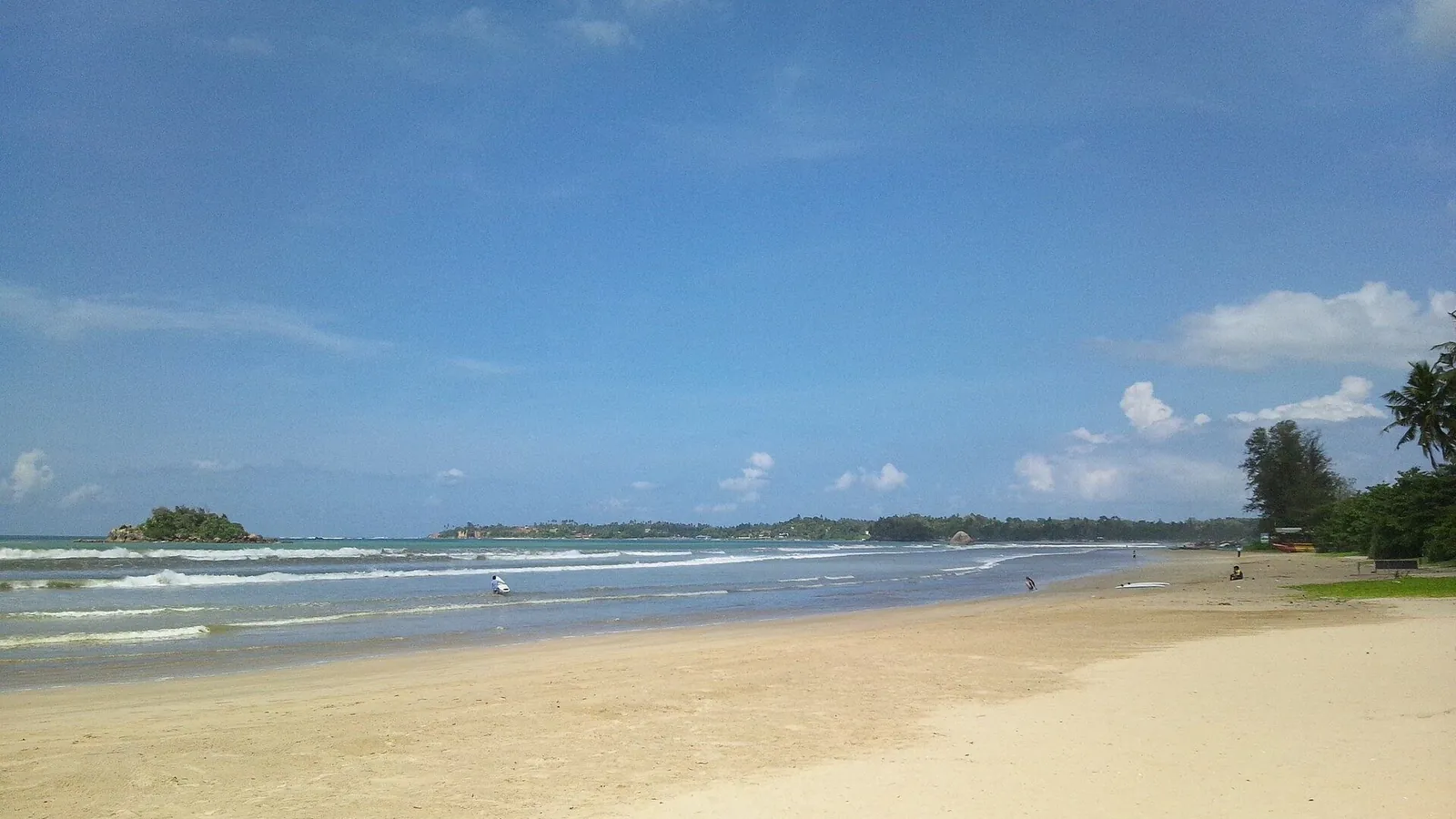
Dawn breaks over Weligama and the bay already has a dozen beginners going for the first wave. At a roadside stall, a rice and curry with half a dozen sides costs under two dollars, and the black tea, the best in the world, grown in the mountains right behind, comes free. Sri Lanka is one of the cheapest, most beautiful and most underrated islands in Asia: surf all year, tea mountains, coconut beaches and a hospitality that disarms you.
It’s also a country that rebuilt itself after a hard crisis (2022) and now opens its doors to remote workers, including with a newly created nomad visa. This guide shows the best of the island and where to tread carefully.
An island the size of a province, but with the climate of two worlds: tropical beach on the coast and mountain cool a few hours away.
Why Sri Lanka
- Very low cost: one of the most affordable destinations in Asia.
- Surf all year: the south coast (Weligama, Mirissa) is a wave playground.
- Two-climate nature: beach below, tea mountains and waterfalls above.
- Decent English: a British legacy; it works well day to day.
- Welcoming people: Sri Lankan hospitality is legendary.
Sri Lanka’s visas
| Route | For whom | Duration | How it works |
|---|---|---|---|
| ETA / tourist | Arriving, testing the island | 30 days, extendable to ~6 months | Electronic authorization before you fly |
| Digital Nomad Visa | Remote with foreign income | up to ~1 year | A newly created program for remote workers |
| Residence | Investor / retiree | renewable | Investment or income tiers |
The traditional path is to enter on the ETA and extend: simple and cheap. The new nomad visa is the bet for anyone who wants to stay more stably; since it’s recent, confirm the current rules before you rely on it.
Not sure whether Sri Lanka fits your moment? That’s exactly what the quiz sorts out in 2 minutes.
What it costs to live, the real budget
Sri Lanka is among the cheapest places in Asia. A realistic monthly budget for one person in Weligama/Colombo:
| Item | Cost/month (USD) |
|---|---|
| Rent (studio/simple house near the beach) | 250 to 450 |
| Food (mixing local and Western) | 180 to 320 |
| Transport (tuk-tuk / scooter / train) | 40 to 80 |
| Internet + phone | 15 to 30 |
| Coworking / cafés | 50 to 100 |
| Leisure, surf, internal trips | 120 to 250 |
| Total | ~US$ 800 to 1,200 |
Comparing destinations:
| Place | Monthly spend | Profile |
|---|---|---|
| Weligama / Mirissa | US$ 800 to 1,200 | Surf, beach, growing nomad community |
| Colombo | US$ 900 to 1,300 | Capital, services, hospitals, airport |
| Ella | US$ 700 to 1,100 | Mountains, tea, hikes, slow pace |
| Kandy | US$ 800 to 1,100 | Culture, temples, mild climate |
Where to live
Weligama and Mirissa: the heart of surf in the south. Waves for every level, cafés, yoga and an international community that keeps growing. The best starting point for anyone who wants beach and community.
Colombo: the capital, on the coast. It’s not as pretty as the interior, but it concentrates the services: hospitals, malls, coworkings and the airport. A good base for anyone who needs city infrastructure.
Ella: in the heart of the tea mountains, surrounded by trails, waterfalls and the famous Nine Arches bridge. Cool climate, slow pace, the pick for anyone who wants nature and quiet.
Kandy: the cultural capital, with the Temple of the Sacred Tooth and a mild mountain climate. More traditional and calm.
The food
Sri Lankan cuisine is an explosion of flavor and one of the cheapest in the world: rice and curry (rice with a constellation of vegetable, coconut and fish curries), hoppers (bowl-shaped rice pancakes), kottu (chopped flatbread griddled with veg and egg) and a breakfast of tropical fruit. All spicy, fresh and for a couple of dollars. And tea is a religion, from the strong black of morning to spiced chai.
A typical day
Surf at sunrise, a breakfast of hoppers and tea. A morning of work at a seaside café (the internet has improved a lot). Rice and curry for lunch, a nap in the heat, more surf or an Ayurvedic massage in the afternoon. At night, a cheap seafood dinner with an international group, the sound of the waves behind it. Simple, sunny, dirt cheap.
What no one tells you: taxes
- You become a tax resident by spending most of the year in the country (183+ days).
- Sri Lanka reformed taxation recently and reinstated income tax with progressive brackets; the taxation of foreign income depends on your status and visa.
- Since the country is still adjusting rules post-crisis, treat the tax picture as in flux.
And on the home side: until you file your formal tax exit, your home country still considers you a tax resident.
Getting there
There’s no direct flight to Sri Lanka from the Americas. You connect through a big hub into Colombo (CMB):
- Via Doha (Qatar Airways) or Dubai (Emirates): the most frequent routes.
- Via Istanbul (Turkish): often brings good fares.
- From Colombo, the south (Weligama) is ~2h by car; the mountains, a few hours by train.
First 30 days, the arrival plan
- Before you fly: ETA approved, eSIM (Airalo), nomad insurance, first nights booked.
- Week 1: local SIM (Dialog), get to know the southern villages, rent a scooter (carefully).
- Week 2: lock in the monthly rental, pick a coworking/café, map out clinics.
- Weeks 3 to 4: surf + work routine in place, first escape to the mountains.
The practical stuff from people who went
- Internet: much improved on the coast; confirm beforehand if you depend on heavy video calls.
- Health: basic clinics; for serious cases, many go to Bangkok or Singapore. Insurance is essential.
- Transport: tuk-tuk by app (PickMe) in the cities, scooter on the beach, train for the mountains.
- Money: a heavily cash-based economy; carry an international card and withdraw often.
- Language: English works well in tourism; Sinhala/Tamil in the interior.
Culture and etiquette in 30 seconds
A majority Buddhist country, gentle and religious. Dress modestly at temples (shoulders and knees covered, take off shoes and hat), never turn your back on a Buddha image while taking a photo, and use your right hand to give and receive. The sideways head wobble means “yes/ok”. Patience and a smile open every door.
Pros and cons, unfiltered
For: very low cost · surf all year · beach + tea mountains · decent English · welcoming people.
Against: basic infrastructure (the country is recovering from the 2022 crisis) · advanced healthcare means leaving the country · good internet on the coast, patchy inland · a tax picture in transition · no major global cities.
Is it worth it?
For anyone who wants beach, surf and nature for very little, and doesn’t mind simpler infrastructure, Sri Lanka is one of the best value ratios in Asia. It’s the pick for anyone seeking a light, cheap seaside life, arriving informed about the visa and the tax.
Ready for the next step? The Rota Ásia quiz matches your profile, budget and lifestyle and hands you a tailored plan: your city, the ideal visa route, the cost and the taxes, straight to your inbox.
Frequently asked questions
Does Sri Lanka have a nomad visa?
Yes, a digital-nomad visa was created recently, alongside the traditional route of entering on the ETA and extending. Since it’s recent, confirm the current rules before relying on it.
How much does it cost to live in Sri Lanka?
It’s one of the cheapest places in Asia: US$ 800 to 1,200 a month, with simple houses near the beach for US$ 250-450 and the famous rice and curry for a couple of dollars.
Is Sri Lanka worth it for surfing?
Very. The south coast (Weligama, Mirissa) has surf all year and waves for every level, with a growing international community and low costs.
Essential tools for the move
This page contains affiliate links: you pay nothing extra and you help keep Rota Ásia running.
- InsuranceSafetyWingHealth insurance for nomads, covers you across several countries at once.See insurance ↗
- eSIM / dataAiraloA digital eSIM so you have internet the moment the plane lands.Get an eSIM ↗
- ToursGetYourGuideTours, day trips and experiences at your destination.See tours ↗
- MoneyWiseMulti-currency account and fair exchange to get paid from abroad and spend at your destination.Discover Wise ↗
- StaysAgodaAsia’s giant for accommodation, usually the best prices in the region.See on Agoda ↗
- StaysBooking.comBook your first days before locking in a monthly rental on the ground.Find a place to stay ↗
Find your city in Asia
Stop guessing. Answer for 2 minutes and get a plan with your city, visa route, cost and taxes, straight to your inbox.
Start now →