

Living in Vietnam: visas, cost of living and cities (2026)
The complete guide: the 90-day e-visa, what it costs to live in Da Nang, the legendary coffee and food scene, and the truth about long-term visas and taxes.
Six in the morning in Da Nang and My Khe beach is already full, locals swimming before the heat sets in. On a little plastic chair on the sidewalk, you sip a ca phe sua da (iced coffee with condensed milk) so good you want three, and you look at the price: under a dollar. A steaming bowl of pho costs the same. Vietnam is, hands down, one of the cheapest and tastiest places on the planet to live: and one of Asia’s best balances of cost, energy and quality of life.
But let’s be honest from the start: Vietnam is fantastic as a base and a season, and still shy on long-term visas. This guide shows the best of it, and where to tread carefully.
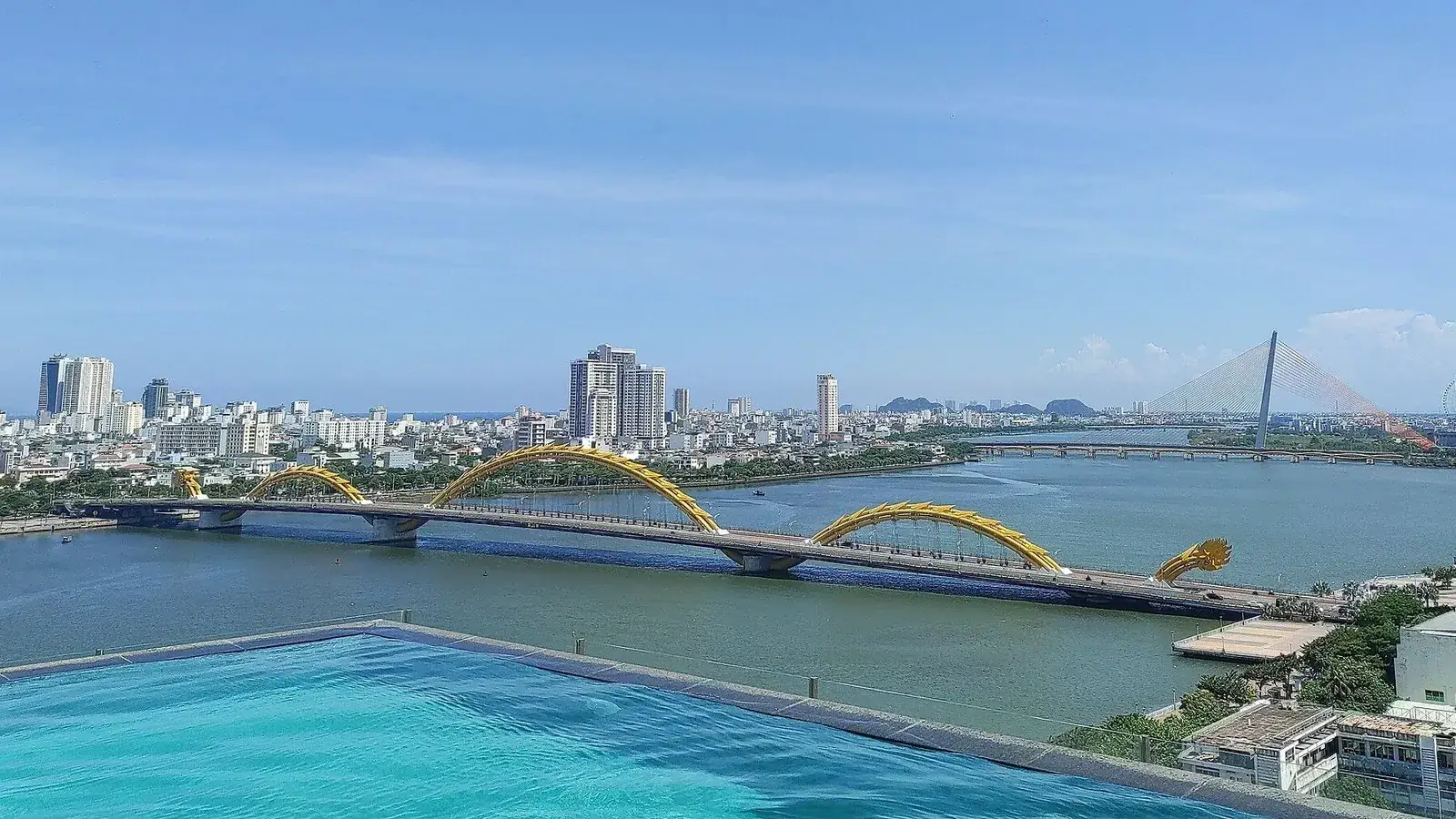
Da Nang, between the beach and the mountains, has become the darling of remote workers: cheap, organized, with an urban beach and fast internet.
Why Vietnam
- The lowest cost on the list: you can live very well on little.
- Out-of-this-world food and coffee: Vietnamese cuisine is among the best and cheapest on the planet.
- Fast, cheap internet: it surprises newcomers; great fiber in the cities.
- Energy and pace: vibrant, entrepreneurial cities with a huge young scene.
- Beach + mountain + city: a variety of settings at short distances.
Vietnam’s visas
Here’s the thing to watch. Vietnam has no digital-nomad visa, and long-term options are limited:
| Route | For whom | Duration | How it works |
|---|---|---|---|
| E-visa | Tourist / medium stay | 90 days (single or multiple entry) | Applied for online, fast and cheap (~US$ 25 to 50) |
| Visa run / new e-visa | Staying longer | resets with each e-visa | Exit and re-enter, or a new e-visa |
| TRC (temporary residence) | Work, investment, marriage | 1 to 3 years | Requires a work permit / sponsorship / tie |
In practice: most people who stay use the 90-day e-visa and keep renewing (sometimes with a quick hop to a neighbor). It’s predictable and cheap, but it isn’t real residence: which is why Vietnam works better as a rotating base than as a “forever home”, unless you land a TRC through work.
Not sure whether Vietnam fits your moment? That’s exactly what the quiz sorts out in 2 minutes.
What it costs to live, the real budget
Vietnam delivers the lowest cost among the popular destinations. A realistic monthly budget for one person in Da Nang, living well:
| Item | Cost/month (USD) |
|---|---|
| Rent (modern studio/1-bed, many serviced) | 300 to 500 |
| Food (mixing street food and cooking) | 180 to 320 |
| Transport (rented scooter + apps) | 40 to 80 |
| Internet + phone | 20 to 35 |
| Coworking / cafés | 60 to 120 |
| Leisure, trips, extras | 150 to 300 |
| Total | ~US$ 900 to 1,300 |
Comparing cities:
| City | Monthly spend | Profile |
|---|---|---|
| Da Nang | US$ 900 to 1,300 | Urban beach, organized, nomad favorite |
| Ho Chi Minh (Saigon) | US$ 1,000 to 1,500 | Megacity, energy, business, nightlife |
| Hanoi | US$ 900 to 1,300 | Capital, history, culture, colder in winter |
| Hoi An | US$ 800 to 1,200 | Charming historic town, next to Da Nang |

Where to live
Da Nang: the number-one choice for remote workers. A clean, organized beach city with mountains behind it, fast internet, low costs and a growing international community. A rare balance of beach, city and quiet.
Ho Chi Minh (Saigon): the country’s economic engine. Chaotic, electric, entrepreneurial, with the best nightlife, cafés and opportunities. Ideal if you want metropolis energy; less so if you want calm.
Hanoi: the capital, more traditional and historic, with the charm of the Old Quarter and a strong cultural scene. It has a real winter (it gets cold), which surprises anyone expecting the tropics all year.
Hoi An: next to Da Nang, a historic town of lanterns and shophouses, a UNESCO site. Too charming to live far from; many stay in Da Nang and visit often.
The food and the coffee, reason enough
If you love to eat, Vietnam alone justifies the move. The pho (noodle soup), the banh mi (the best sandwich in the world, according to many), Hanoi’s bun cha, Saigon’s com tam, all fresh, light and dirt cheap. And the coffee is a chapter of its own: Vietnam is the world’s second-biggest producer, and café culture is intense, from the iced ca phe sua da to Hanoi’s surreal egg coffee. A street meal costs a couple of dollars, and it’s where life happens.
A typical day
A morning swim before the heat, an iced coffee on a sidewalk chair. A morning of work at a café with fast fiber (Vietnam has one of Asia’s best cheap internet setups). Banh mi for lunch, a nap in the heat, a workout or surf in the afternoon. At night, a scooter to a street market where grill smoke, plastic chairs and ice-cold beer (bia hoi) for pennies form the country’s social theater. Cheap, tasty, full of energy.
What no one tells you: taxes
Here Vietnam is less friendly than Malaysia or the Philippines, worth knowing beforehand.
- You become a tax resident after spending 183 days or more in the country in the year.
- As a resident, Vietnam taxes worldwide income on progressive brackets (5% to 35%), including, in theory, what you earn from abroad.
- In practice, many living on the 90-day e-visa don’t cross the residence threshold, which changes the picture, but that’s a consequence of the short visa, not an exemption.
And on the home side: until you file your formal tax exit, your home country still considers you a tax resident.
Getting there
There’s no direct flight to Vietnam from the Americas. You connect through a big hub into Ho Chi Minh (SGN), Da Nang (DAD) or Hanoi (HAN):
- Via Doha (Qatar Airways) or Dubai (Emirates): the most frequent routes.
- Via Singapore, Bangkok or Kuala Lumpur: short, cheap flights link these hubs to the Vietnamese cities.
- Cheap domestic flights (Vietjet/Bamboo) connect everything internally.
First 30 days, the arrival plan
- Before you fly: e-visa approved, eSIM (Airalo), nomad insurance, first nights in Da Nang booked.
- Week 1: local SIM (Viettel), rent a scooter (careful in traffic), test the work cafés.
- Week 2: lock in the monthly rental (many apartments come serviced), map out markets and clinics.
- Weeks 3 to 4: routine in place; plan the visa renewal before it expires.
The practical stuff from people who went
- Internet: fast and cheap; one of Vietnam’s high points.
- Transport: the scooter is the soul of the country, but traffic is intense: drive very carefully or use apps (Grab).
- Money: a heavily cash-based economy; carry an international card and withdraw often.
- Language: English is limited outside tourist areas; translation apps help a lot day to day.
- Health: good clinics in the big cities; serious cases usually go to Bangkok or Singapore. Insurance is essential.
Culture and etiquette in 30 seconds
A Confucian-rooted society: respect for elders, value on harmony and “not losing face” (avoid public outbursts). Take your shoes off entering homes and temples, receive and hand things with both hands, and haggle with good humor at markets. Behind the scooter chaos, it’s a warm country, curious about foreigners.
Pros and cons, unfiltered
For: the lowest cost · exceptional food and coffee · fast, cheap internet · energy and entrepreneurship · beach + mountain + city.
Against: no easy long-term visa (you live on the e-visa) · worldwide income taxed if you’re a resident · language barrier outside tourism · traffic and pollution in the metros · advanced healthcare means leaving the country.
Is it worth it?
As a cheap, tasty, energy-packed base: for a months-long season, or as one node of a rotating lifestyle, Vietnam is unbeatable. As a “forever home”, it runs into the long-term visa and the tax on residents. Knowing that, it’s one of the most addictive places in Asia.
City guides: get to know Da Nang and Ho Chi Minh from the inside, where to stay, what to do and what life is like in each.
Ready for the next step? The Rota Ásia quiz matches your profile, budget and lifestyle and hands you a tailored plan: your city, the ideal visa route, the cost and the taxes, straight to your inbox.
Frequently asked questions
Does Vietnam have a digital-nomad visa?
No. Vietnam has no nomad visa, and most people live on the 90-day e-visa, renewing. That’s why it works better as a rotating base than as permanent residence.
Does Vietnam tax my foreign income?
As a resident (183+ days in the year), Vietnam taxes worldwide income on brackets from 5% to 35%. Many living on the 90-day e-visa don’t cross the residence threshold, but that’s a consequence of the short visa, not an exemption.
How much does it cost to live in Da Nang?
Da Nang has one of the lowest costs in Asia: US$ 900 to 1,300 a month, with serviced apartments for US$ 300-500 and street food for a couple of dollars.
Is Vietnam’s internet good for remote work?
Yes, surprisingly: fast, cheap fiber in the cities, one of the country’s high points for anyone who lives off a laptop.
Essential tools for the move
This page contains affiliate links: you pay nothing extra and you help keep Rota Ásia running.
- InsuranceSafetyWingHealth insurance for nomads, covers you across several countries at once.See insurance ↗
- eSIM / dataAiraloA digital eSIM so you have internet the moment the plane lands.Get an eSIM ↗
- ToursGetYourGuideTours, day trips and experiences at your destination.See tours ↗
- MoneyWiseMulti-currency account and fair exchange to get paid from abroad and spend at your destination.Discover Wise ↗
- StaysAgodaAsia’s giant for accommodation, usually the best prices in the region.See on Agoda ↗
- StaysBooking.comBook your first days before locking in a monthly rental on the ground.Find a place to stay ↗
Find your city in Asia
Stop guessing. Answer for 2 minutes and get a plan with your city, visa route, cost and taxes, straight to your inbox.
Start now →