

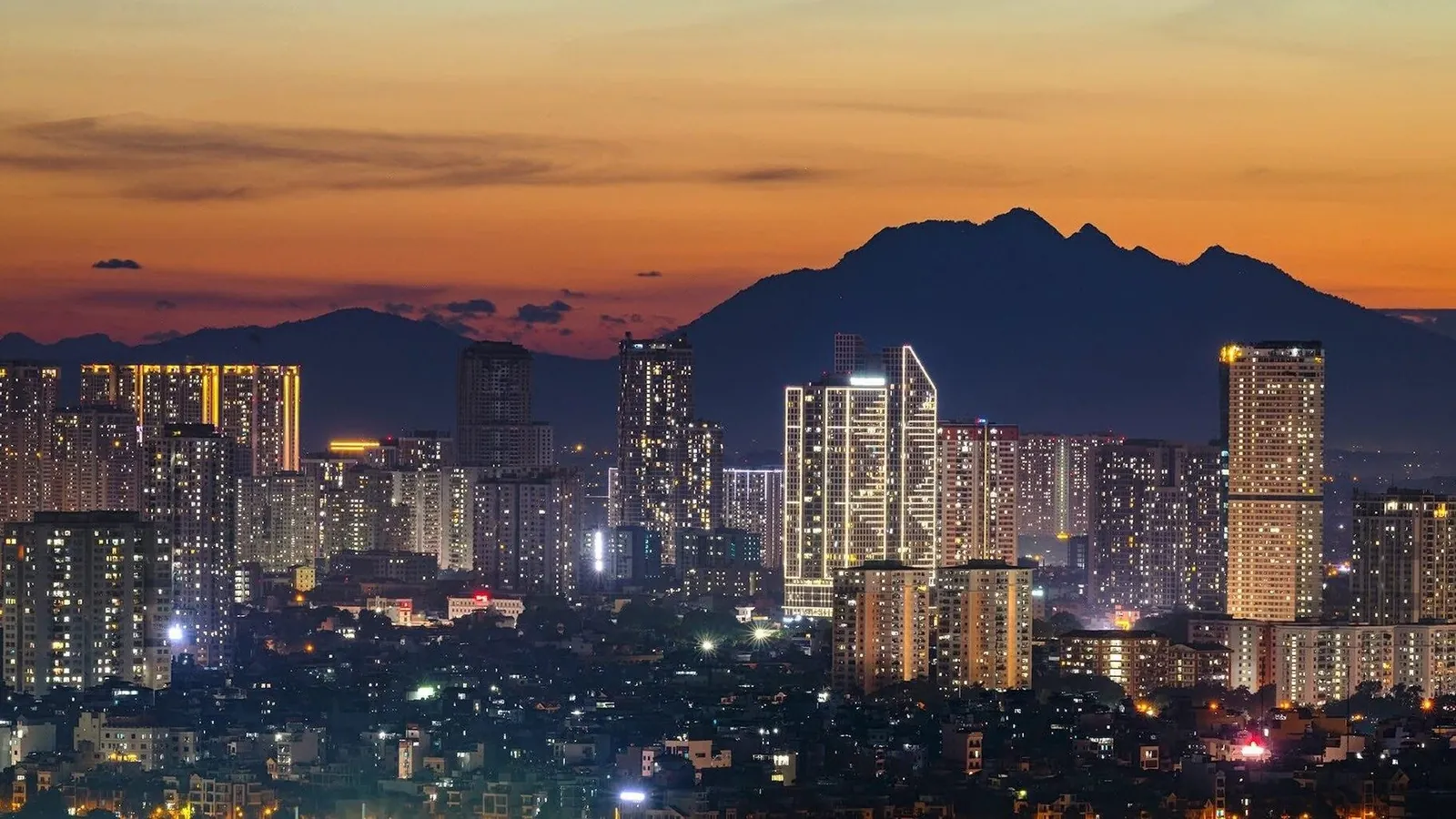
Hanoi
Vietnam's thousand-year-old capital: serene lakes, the living maze of the Old Quarter, the birthplace of pho and egg coffee, four real seasons, and one of the lowest costs of living in Asia.
Let me drop you into the middle of Hanoi. You cross an Old Quarter street in the middle of an endless river of motorbikes and, against every instinct, it works. You sit on a plastic stool on the sidewalk, and for a couple of dollars a steaming bowl of pho arrives, made by a family for three generations. In the afternoon, the chaos gives way to the calm of Hoan Kiem Lake, where elders play chess under the trees. At dusk, a warm egg coffee, invented here, on a hidden terrace. Hanoi is the historic, chaotic soul of Vietnam: intense, atmospheric, dirt cheap, and addictive.
Hanoi in 30 seconds
It’s the capital of Vietnam and its oldest, most traditional city: a thousand years of history, temples, lakes, and an Old Quarter that’s a living organism. More reserved and cultural than the buzzing Ho Chi Minh City in the south, it has a legendary cafe and street-food scene, a solid nomad community, and, rare in Southeast Asia, four real seasons, with a cool winter. And all of it at one of the lowest costs of living in Asia.
Where to live, a tour of the neighborhoods
Tay Ho (West Lake): the absolute favorite of expats and nomads: on the shore of the city’s biggest lake, with beautiful cafes, coworking spaces, international restaurants, and a more open, calmer feel. The most common choice for those who come to live here.
Old Quarter (Hoan Kiem): the historic, chaotic heart, a maze of streets by trade, full of life, food, and noise. Immersive, but intense to live in.
Ba Dinh: the civic and diplomatic area, calmer and greener, with embassies and wide avenues.
Dong Da / Cau Giay: more local, cheaper neighborhoods, with less tourism and a more authentic everyday Vietnam.
The must-dos, what to do
- Hoan Kiem Lake and the Old Quarter: the heart of the city; the Ngoc Son temple on the islet and the maze of streets around it.
- Temple of Literature: Vietnam’s first university, an oasis of thousand-year-old courtyards and gardens.
- Train Street: the alley where the train passes inches from the cafes (check the current schedules and access rules).
- Ho Chi Minh Mausoleum and the One Pillar Pagoda: the historic, monumental side.
- West Lake (Tay Ho) at sunset: cafes on the water, the Tran Quoc Pagoda, and the best breeze in the city.
- Day trip to Ninh Binh or Ha Long Bay: the limestone mountains “on land” or the iconic bay, both a few hours away.
The food, the birthplace of pho and egg coffee
Hanoi is a temple of street food, and many of Vietnam’s signature dishes were born in the north. Pho (the noodle soup) is almost a morning religion; bun cha (grilled pork with rice noodles, which Obama ate with Anthony Bourdain here) is the lunchtime institution; egg coffee (cà phê trứng), creamy and sweet, was invented in the city; and banh mi and bia hoi (the fresh craft beer, served on little stools for pennies) round out the festival. You eat like a king for next to nothing.
A perfect day in Hanoi
Breakfast with a bowl of pho at a corner spot, a morning of work at a cafe by West Lake. For lunch, freshly grilled bun cha. In the afternoon, a stroll through the Temple of Literature or the Old Quarter streets. At dusk, a warm egg coffee on a hidden terrace. At night, plastic stools on the sidewalk, cold bia hoi, and street food with the community. You take a GrabBike home, cutting through the traffic, charmed by the chaos.
What it costs and the practical stuff
You live very well on US$ 750 to 1,150 a month, and you can spend less. A good apartment in Tay Ho runs US$ 350 to 600, eating on the street costs pennies, and a motorbike or Grab handles transport for almost nothing. It’s one of the best value-for-money spots in Asia. What you deal with is the intense traffic and the air pollution at certain times of year, the price of living in a vibrant, dirt-cheap capital.
Getting around
- Grab (motorbike taxi and car): the standard, dirt-cheap way; the GrabBike cuts through traffic easily.
- Your own motorbike: many nomads rent one by the month for full autonomy (ride carefully).
- On foot: the Old Quarter and the lakeshores are best explored walking.
- Taxi: easy and cheap for trips with luggage or groups.
Is Hanoi worth living in?
If you want the most authentic, cultural, and dirt-cheap Vietnam, with legendary food, a solid nomad community, and the charm of four seasons, Hanoi is unbeatable. It’s more traditional and atmospheric than Ho Chi Minh City, with a cost among the lowest in Asia. The traffic and the winter air are the price to pay. Ideal for those seeking immersion, history, and genuine savings.
Hanoi is one of the cities in the Vietnam guide, where you’ll find the visas, the taxes, and the other cities.
This page contains affiliate links: you pay nothing extra and you help keep Rota Ásia running.
From Brazil to Hanoi
Hanoi takes Gulf flights just like Ho Chi Minh. Inside Vietnam, it is ~1h20 from Da Nang and ~2h from the south.
Price checked on Skyscanner in August 2026, economy, return from São Paulo. Fares move with the season: use it as a starting point and confirm in the search. Compare with the other destinations.
Leaving Hanoi
17 destinations| Ho Chi Minh (Saigon) | bus · private transfer · train · minivan |
|---|---|
| Da Nang | bus · private transfer · train |
| Bangkok | bus |
| Phnom Penh | bus |
| Singapore | private transfer |
Bali, Busan, Cebu, Chiang Mai, Colombo, Kuala Lumpur, Osaka, Penang, Seoul, Siem Reap, Taipei, Tokyo.
Routes served by 12Go, the platform most used for buses, trains and ferries across Southeast Asia.
Once you are in Hanoi
To get around, rent a scooter. For things to do, see the tours and day trips.
Finding a place in Hanoi
A portal is for landing with a sense of prices, not for signing a lease. A listing in English is an agent talking to a foreigner, with their commission baked in. To land knowing the range, start with Batdongsan and Chợ Tốt Nhà.
Resident groups on Facebook (search the city name with "expats", "nomads" or "housing"), signs on the street, and a word with the building manager. This is the stock that never reaches a portal, and where the price gap lives.
Hanoi and Ho Chi Minh run on neighbourhood word of mouth. Pick your area, walk it, and look for cho thuê (for rent) signs on the street.
Do not sign a lease from abroad. Book the first weeks, walk the neighbourhoods, and only then commit. The most common scams and what to check before you sign are in Renting without getting burned.
Essential tools for the move
- InsuranceSafetyWingHealth insurance for nomads, covers you across several countries at once.See insurance ↗
- eSIM / dataAiraloA digital eSIM so you have internet the moment the plane lands.Get an eSIM ↗
- ToursGetYourGuideTours, day trips and experiences at your destination.See tours ↗
- MoneyWiseMulti-currency account and fair exchange to get paid from abroad and spend at your destination.Discover Wise ↗
Find your city in Asia
Stop guessing. Answer for 2 minutes and get a plan with your city, visa route, cost and taxes, straight to your inbox.
Start now →