
Seoul
Asia's hyper-connected capital: the world's fastest internet, beautiful cafes on every corner, endless KBBQ and nightlife, all in a city ringed by mountains and history.
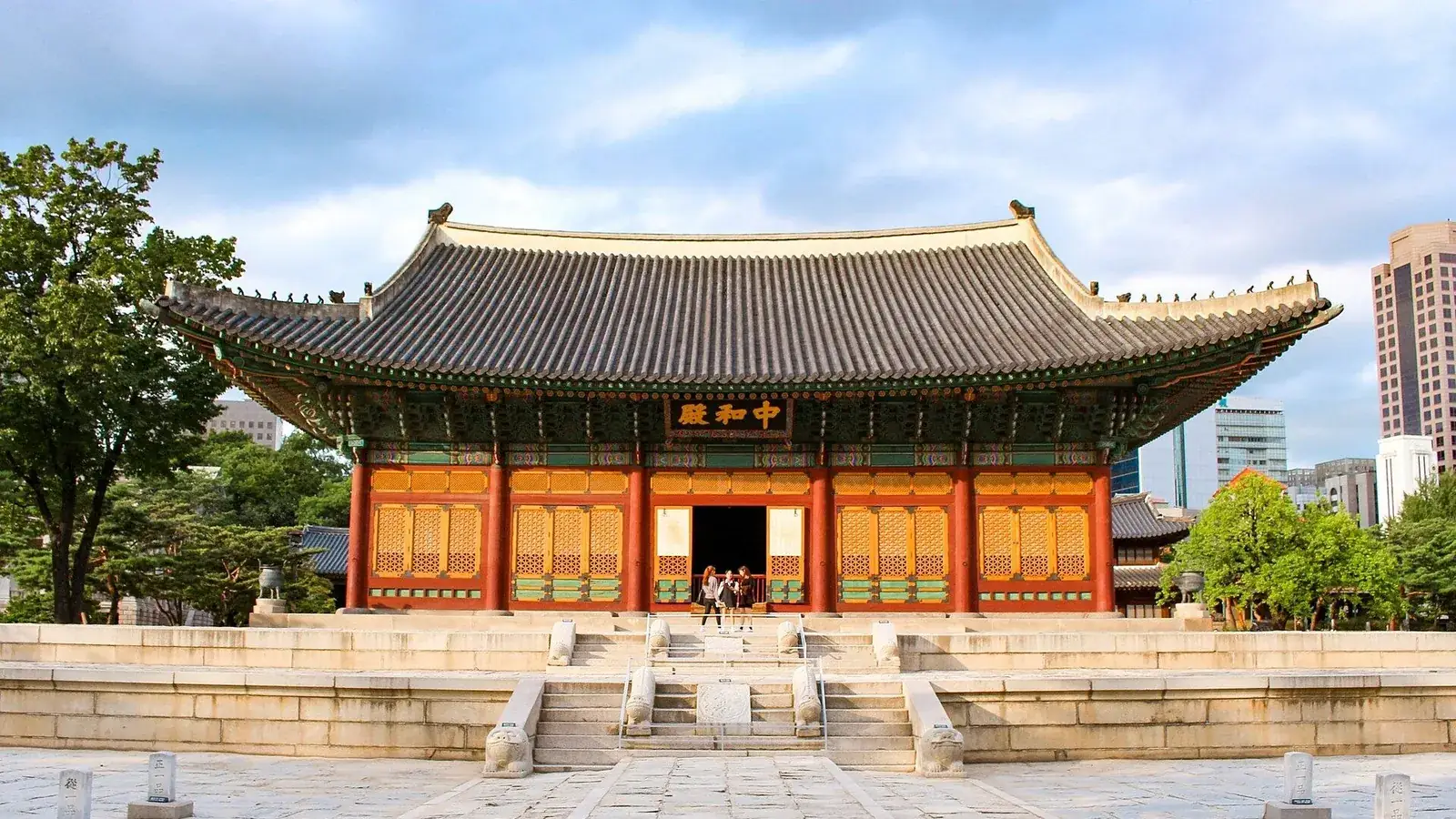
Let me drop you into the middle of Seoul. You step off a subway with a perfect phone signal even in the deepest tunnel, up onto a street where a 600-year-old palace stares down glass skyscrapers, and into a flawlessly designed cafe to work on the fastest wi-fi you’ve ever seen. At night, smoke from Korean barbecue rises off the tables, groups of friends toast with soju, and the city never stops, cafes open past midnight, lit-up markets, mountains in the distance. Seoul is pure energy, technology, and tradition: modern to the extreme, yet still deeply Korean.
Seoul in 30 seconds
It’s the capital of South Korea and one of the most connected cities on the planet: huge, dynamic, and obsessed with efficiency. It has the world’s fastest internet, flawless public transport, top-tier healthcare, and a cafe-and-food culture that’s gone global (from K-pop to KBBQ). It’s ringed by mountains and rivers, giving the metropolis a surprising green breath.
Where to live, a tour of the neighborhoods
Gangnam / Seocho: the modern, upscale district south of the river, with offices, designer shops, and nightlife. Convenient and expensive, for those who want the center of the center.
Hongdae / Yeonnam: the young, university area, full of street art, bars, live music, and hip cafes. Vibrant and more affordable.
Itaewon / Yongsan: the international neighborhood, with food from all over and the biggest expat community. Easy to settle into as a newcomer.
Seongsu: the “Brooklyn of Seoul”: old factories turned into cafes, galleries, and coworking spaces. Hip and on the rise.
The must-dos, what to do
- Gyeongbokgung Palace + Bukchon Hanok Village: historic Seoul, with traditional hanoks; rent a hanbok and enter the palace free.
- N Seoul Tower (Namsan): the classic panoramic view of the city, gorgeous at sunset.
- Han River parks: picnics, bikes, and a ramyeon stall; the leisure backyard of Seoulites.
- Jjimjilbang (Korean sauna): the 24h spa experience everyone should try at least once.
- Gwangjang Market: traditional street food, from bindaetteok to tteokbokki.
- Day trip to the DMZ or Nami Island: the world’s tensest border or the romantic K-drama island.
The food, barbecue, fermentation, and fried chicken
Korean food is a group celebration. KBBQ (barbecue at the table) is a social ritual; bibimbap and tteokbokki are everyday classics; and chimaek: fried chicken with beer, is a Friday-night religion. Every meal comes with a constellation of free banchan (side dishes). Add the ever-present kimchi, the flawless dessert cafes, and the market street food: eating in Seoul is cheap, social, and addictive.
A perfect day in Seoul
Breakfast at a design cafe in Seongsu, a morning of work on lightning fiber. For lunch, a sizzling bibimbap in a stone bowl. In the afternoon, a short hike up a mountain inside the city or a stroll through a palace. At dusk, the Han River parks with a ramyeon stall. At night, KBBQ with friends, soju, and cafes that stay open late. You take the subway home, fast, clean, on time.
What it costs and the practical stuff
You live well on US$ 1,480 to 2,310 a month: a furnished officetel runs US$ 700 to 1,200, eating out is affordable, and transport is dirt cheap for the quality. Healthcare is excellent and efficient, and the digital infrastructure is unmatched. It’s pricier than Southeast Asia, but it delivers a hyper-connected first-world life at a fair price.
Getting around
- Subway: vast, clean, cheap, and all in English; the best way to get around. Use a T-money card.
- Bus: extensive and integrated with the subway on the same card.
- Taxi / Kakao T: cheap and easy via the app, great at night.
- On foot and by bike: the Han parks and hip neighborhoods invite walking.
Is Seoul worth living in?
If you want cutting-edge tech, incredible food, and a metropolis that never stops: with top healthcare and the world’s best internet, Seoul is a dream. The winter is heavy and the language takes effort, but the energy, safety, and quality of life more than make up for it. Ideal for those who love big-city life, pop culture, and efficiency.
Seoul is one of the cities in the South Korea guide, where you’ll find the visas, the taxes, and the other cities.
This page contains affiliate links: you pay nothing extra and you help keep Rota Ásia running.
From Brazil to Seoul
From Seoul, the KTX bullet train reaches Busan in just over 2h.
Price checked on Skyscanner in August 2026, economy, return from São Paulo. Fares move with the season: use it as a starting point and confirm in the search. Compare with the other destinations.
Leaving Seoul
15 destinations| Busan | private transfer · train |
|---|---|
| Osaka | bus · private transfer |
| Singapore | bus · private transfer |
| Bangkok | private transfer |
Bali, Cebu, Colombo, Da Nang, Hanoi, Ho Chi Minh (Saigon), Kuala Lumpur, Phnom Penh, Siem Reap, Taipei, Tokyo.
Routes served by 12Go, the platform most used for buses, trains and ferries across Southeast Asia.
Once you are in Seoul
To get around, rent a scooter. For things to do, see the tours and day trips.
Finding a place in Seoul
A portal is for landing with a sense of prices, not for signing a lease. A listing in English is an agent talking to a foreigner, with their commission baked in. To land knowing the range, start with Zigbang and Dabang.
Resident groups on Facebook (search the city name with "expats", "nomads" or "housing"), signs on the street, and a word with the building manager. This is the stock that never reaches a portal, and where the price gap lives.
Learn what jeonse and wolse mean before you search. The first is a huge deposit with no monthly rent, and it is what shows up in the cheapest listings, which misleads newcomers.
Do not sign a lease from abroad. Book the first weeks, walk the neighbourhoods, and only then commit. The most common scams and what to check before you sign are in Renting without getting burned.
Essential tools for the move
- InsuranceSafetyWingHealth insurance for nomads, covers you across several countries at once.See insurance ↗
- eSIM / dataAiraloA digital eSIM so you have internet the moment the plane lands.Get an eSIM ↗
- ToursGetYourGuideTours, day trips and experiences at your destination.See tours ↗
- MoneyWiseMulti-currency account and fair exchange to get paid from abroad and spend at your destination.Discover Wise ↗
Find your city in Asia
Stop guessing. Answer for 2 minutes and get a plan with your city, visa route, cost and taxes, straight to your inbox.
Start now →