
Living in South Korea: visas, cost of living and cities (2026)
The complete guide: the new nomad (workation) visa, what it costs to live in Seoul or seaside Busan, the food and coffee scene and what no one tells you about taxes.
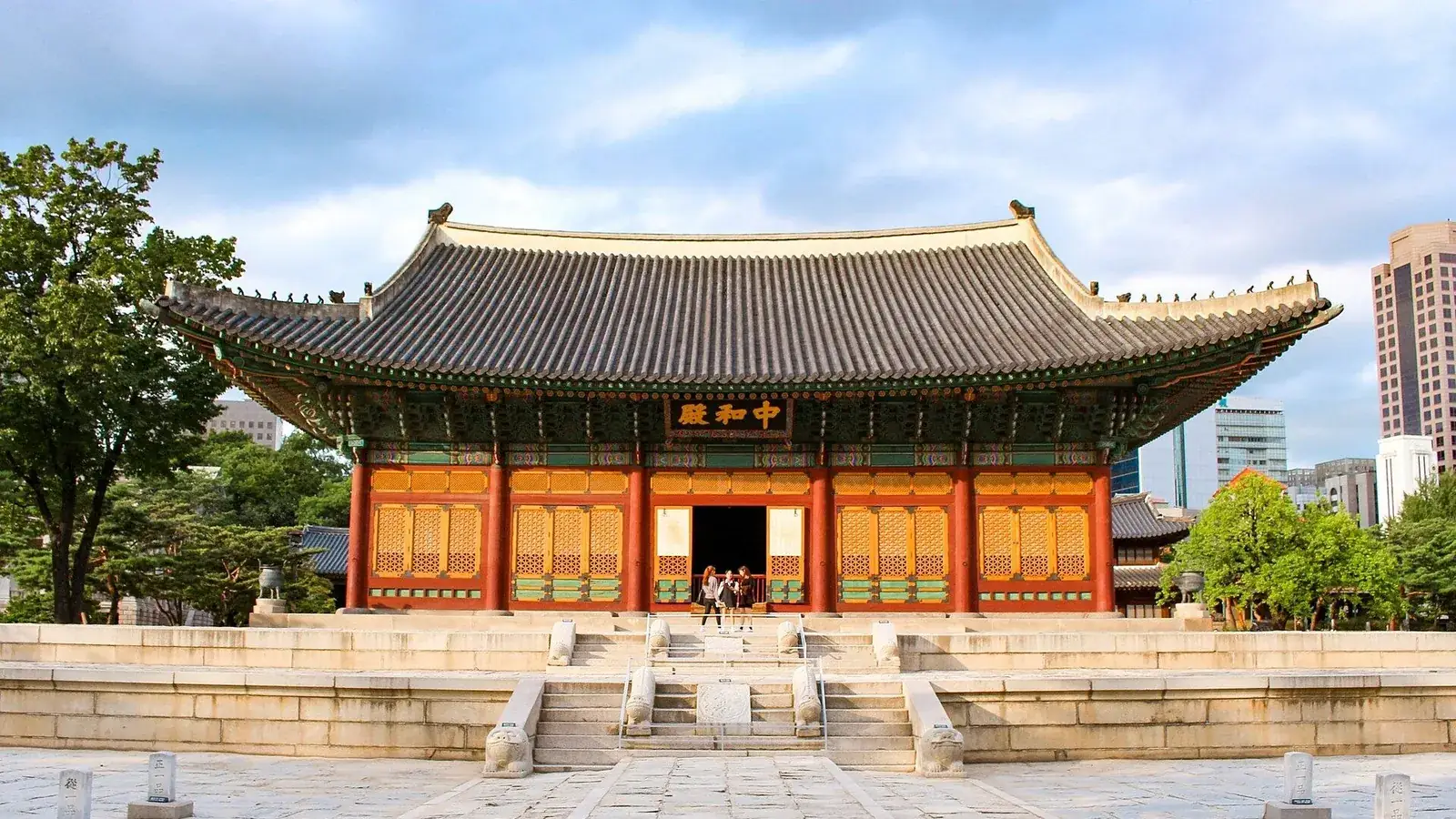
Let me introduce you to Seoul in the early evening. You head up to a rooftop café in Seongsu, the “Korean Brooklyn”, and the city stretches out endless: green mountains wedged between skyscrapers, the Han River cutting through it all, and an electric energy that never switches off, because here life runs 24 hours. Your phone is on the fastest 5G on the planet, the street is spotless and safe, and soon you’ll head down to a Korean BBQ dinner where the meat sizzles in front of you and the table turns into a party. Korea is that: future, food and a culture that conquered the world: and that now opened a visa for remote workers.
Why South Korea
- The fastest internet in the world: literally; working remotely here is a dream.
- Safety and modernity: a 24h city, clean and extremely safe.
- The cultural wave (Hallyu): K-pop, K-drama, cinema, fashion, beauty: you live inside it.
- Food and coffee: from BBQ to street food, and one of the biggest café scenes in the world.
- A new nomad visa: Korea joined the remote-work map.
South Korea’s visas
| Visa | For whom | Duration | What it requires |
|---|---|---|---|
| Workation / Nomad (F-1-D) | Remote with foreign income | 1 year, renewable to 2 | Proven high income (~US$ 65k/yr) and a foreign job/contract |
| Work (E-7 etc.) | Job with a Korean company | 1 to 3 years | Employer sponsorship |
| Student (D-2 / D-4) | University or Korean course | 1 to 2 years | Enrollment at an institution |
| Tourism | Testing the country | up to 90 days (many nationalities) | Valid passport |
The nomad visa (workation) is the newcomer that matters: one year, built for people who earn from abroad, renewable. The income requirement is considerable, but for those who fit, it’s the most direct door to legally living the Korean experience.
Not sure whether Korea fits your moment? That’s exactly what the quiz sorts out in 2 minutes.
What it costs to live, the real budget
Korea is pricier than Southeast Asia, but usually comes out cheaper than Japan. A realistic monthly budget for one person in Seoul:
| Item | Cost/month (USD) |
|---|---|
| Rent (studio/officetel in the city) | 650 to 1,100 |
| Food (mixing street food, restaurants and cooking) | 350 to 550 |
| Transport (metro/bus) | 60 to 100 |
| Internet + phone | 30 to 45 |
| Coworking / cafés | 120 to 220 |
| Leisure, extras | 250 to 450 |
| Total | ~US$ 1,500 to 2,200 |
Comparing cities:
| City | Monthly spend | Profile |
|---|---|---|
| Seoul | US$ 1,500 to 2,200 | Megacity, everything, the heart of Hallyu |
| Busan | US$ 1,300 to 1,900 | Beach, sea, easier pace |
| Incheon | US$ 1,300 to 1,800 | Close to Seoul, airport, cheaper |
| Jeju | US$ 1,200 to 1,700 | Volcanic island, nature, quiet |
Where to live, walking you through the cities
Seoul: the capital that never sleeps. Each district is a world: Gangnam (modern, business, luxury), Hongdae (young, music, art), Itaewon (international, cosmopolitan), Seongsu (the new hype of cafés and studios). It’s intense, expensive and addictive, the epicenter of everything you saw on screen.
Busan: the second city, on the coast, in the south. Urban beaches (Haeundae), a fish market, mountains and a more relaxed, warmer feel than Seoul. The pick for anyone who wants Hallyu with a foot in the sand.
Incheon: right next to Seoul, with the big international airport and Chinatown, cheaper and practical for anyone who wants proximity without the capital’s price.
Jeju: the volcanic island to the south, the “Korean Hawaii”: craters, waterfalls, beaches and a slow pace. A haven for people trading the metropolis for nature.
The food, BBQ, kimchi and chicken with beer
Eating in Korea is social and addictive. The Korean BBQ (you grill the meat at the table, wrapped in leaves), kimchi in everything, the bibimbap (rice with veg and egg), the tteokbokki street food (spicy rice cakes) and the sacred ritual of chimaek: chicken (crispy fried) + maekju (beer) on a night out with friends. And the café culture is huge: gorgeous cafés on every corner, perfect for working.
A perfect day
Coffee in a cozy officetel, a morning of work at a design café with 5G flying. For lunch, a steaming bibimbap. In the afternoon, a quick hike up one of the mountains within the city, or a bike ride along the Han River. At night, Korean BBQ with a table full of side dishes, laughter and toasts, and then karaoke (noraebang) late into the night, in a city that never closes. Electric, tasty, safe.
What no one tells you: taxes
- You become a tax resident by establishing a domicile and spending most of the year in the country.
- In the first years, foreigners are usually taxed on Korean-source income and remitted foreign income; after a long residence period (the ~5-year rule), worldwide income kicks in.
- In other words: for a stay of a few years, the picture tends to be lighter than it seems, but it depends on your status.
And on the home side: until you file your formal tax exit, your home country still considers you a tax resident.
Getting there
There’s no direct flight to Korea from the Americas. You connect through a big hub into Seoul (ICN):
- Via Doha (Qatar Airways) or Dubai (Emirates): the most frequent routes.
- Via Istanbul (Turkish) or the United States: common alternatives.
- Inside the country, the KTX bullet train links Seoul to Busan in just over 2h.
First 30 days, the arrival plan
- Before you fly: visa underway, eSIM (Airalo), insurance, first nights booked.
- Week 1: T-money transport card, local SIM, get to know the neighborhoods on foot.
- Week 2: secure an officetel or monthly apart, do the foreigner registration (ARC) if the visa requires it.
- Weeks 3 to 4: routine in place, first KTX trip to Busan.
The practical stuff from people who went
- Internet: the best in the world; working remotely here is a luxury.
- Language: Korean is a barrier, but the script (hangul) is learned fast and apps help a lot; in the young areas there’s plenty of English.
- Transport: impeccable metro in Seoul and Busan; no car needed.
- Health: excellent; with an ARC you join the national insurance.
- Money: cards are accepted almost everywhere (a very “cashless” society).
Culture and etiquette in 30 seconds
Hierarchy and respect for elders are central. Greet with a slight bow, receive and hand objects (and pour drinks) with both hands, and wait for the eldest to start eating. Take your shoes off entering homes. The work pace is intense and competitive, but at leisure, Koreans are warm and generous, especially at the table.
Pros and cons, unfiltered
For: the fastest internet in the world · safety and modernity · Hallyu culture from the inside · incredible food and coffee · a new nomad visa.
Against: pricier than Southeast Asia · language (Korean) is a barrier · an intense, competitive pace · a harsh winter · high income requirement on the nomad visa.
Is it worth it?
For anyone who loves Korean culture, wants absolute modernity and the best internet on the planet, Korea is an experience like no other, and the new nomad visa finally opened the door. The thing to watch is the cost, the language and the income requirement. For those who fit, it’s living inside the future.
Ready for the next step? The Rota Ásia quiz matches your profile, budget and lifestyle and hands you a tailored plan: your city, the ideal visa route, the cost and the taxes, straight to your inbox.
Frequently asked questions
Does South Korea have a nomad visa?
Yes. The workation visa (F-1-D) lasts 1 to 2 years, is built for people who earn from abroad and lets you bring the family. The income requirement is considerable (~US$ 65k/yr).
How much does it cost to live in Seoul?
Pricier than Southeast Asia, but usually cheaper than Japan: US$ 1,500 to 2,200 a month. Seaside Busan is cheaper.
Is Korea’s internet really the fastest?
Yes, literally among the fastest in the world, working remotely in Korea is a luxury on that front.
Essential tools for the move
This page contains affiliate links: you pay nothing extra and you help keep Rota Ásia running.
- InsuranceSafetyWingHealth insurance for nomads, covers you across several countries at once.See insurance ↗
- eSIM / dataAiraloA digital eSIM so you have internet the moment the plane lands.Get an eSIM ↗
- ToursGetYourGuideTours, day trips and experiences at your destination.See tours ↗
- MoneyWiseMulti-currency account and fair exchange to get paid from abroad and spend at your destination.Discover Wise ↗
- StaysAgodaAsia’s giant for accommodation, usually the best prices in the region.See on Agoda ↗
- StaysBooking.comBook your first days before locking in a monthly rental on the ground.Find a place to stay ↗
Find your city in Asia
Stop guessing. Answer for 2 minutes and get a plan with your city, visa route, cost and taxes, straight to your inbox.
Start now →